
Massachusetts Undergraduate Research Conference (MassURC), April 17, 2026, hosted by UMass/Amherst
The MassURC Hub is your ultimate destination for all conference-related activities: from registering for the conference to submitting, revising, and reviewing abstracts. Additionally, it will serve as your primary platform for accessing live schedules, conducting searches, receiving notifications, and staying updated throughout the conference day.
This year's keynote speaker is Reena Randhir, Associate Professor of Biological Sciences at Springfield Technical Community College. Professor Randhir’s address, The Power of Scientific Thinking, will explore how scientific thinking reaches far beyond the classroom, helping us navigate challenges and uncertainty while fostering growth, resilience, and a redefined understanding of success.

General Schedule
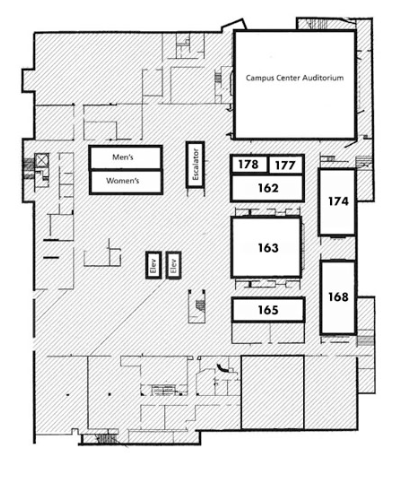
- 8:30 AM - 4:00 PM: Registration (Campus Center, Lower Level Concourse)
- 9:15 AM - 10:15 AM: Welcome & Keynote (Marriott Center, 11th floor)
- 12:15 PM - 1:15 PM: Lunch Break (Recommend Harvest/Blue Wall or use discount ticket at Worcester Dining Common )
Poster Presentations
[Poster Grid by Location/Session]- 10:30 AM - 11:15 AM: Session 1 (set-up starts 10:15; breakdown 11:15)
- 11:30 AM - 12:15 PM: Session 2 (set up 11:20; breakdown 12:15)
- 1:15 PM - 2:00 PM: Session 3 (set up 1:05; breakdown 2:00)
- 2:15 PM - 3:00 PM: Session 4 (set up 2:05; breakdown 3:00)
- 3:15 PM - 4:00 PM: Session 5 (set up 3:05; breakdown 4:00)
- 4:15 PM - 5:00 PM: Session 6 (set up 4:05; breakdown 5:00)
Campus Center Lower Level Map